Vintage Camera Storytelling Art: Capturing Narratives in Design
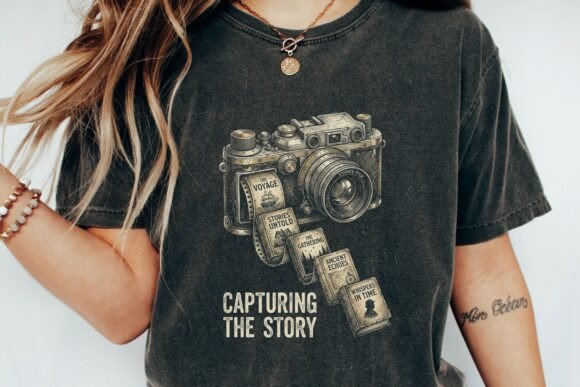
There’s a particular romance to the click of a shutter, the whir of film advancing, and the anticipation of a story waiting to be developed. This artistic graphic, featuring a detailed vintage camera with film reels morphing into antique storybooks, perfectly encapsulates that magic. It’s more than just a pretty picture; it’s a visual metaphor for the art of narrative, making the Vintage Camera Storytelling Art PNG a versatile and evocative design asset.
More Than an Image: A Character Study
This isn't a sterile, modern vector. The artwork possesses a distinct personality built on texture and nostalgia. You can almost feel the weight of the brass camera body and the rough, aged paper of the storybooks. Its style leans into a handcrafted, illustrative quality, blending realism with symbolic whimsy. The color palette is likely muted, reminiscent of sepia tones and faded inks, which enhances its vintage appeal. This gives the Vintage Camera Storytelling Art an authentic, story-rich character that feels both personal and timeless. It’s a creative font for the eyes, speaking a language of heritage and imagination without a single word.
Where This Artwork Finds Its Voice
The true strength of this asset lies in its chameleon-like adaptability. Its core themes—photography, storytelling, and vintage aesthetics—allow it to resonate across a multitude of projects.
Creative & Commercial Branding
For a photographer, author, or vintage boutique owner, this graphic is a cornerstone for brand identity. Use it as a hero image on a website, a striking element in a logo, or the central motif on business cards and letterheads. It instantly communicates a brand story centered on craft, history, and narrative depth, helping to build immediate recognition and emotional connection with an audience that values authenticity.
Publishing & Editorial Design
In editorial design, this art shines. It’s a natural fit for magazine features about analog photography, book reviews, or articles on the history of visual storytelling. As a chapter header, a pull-quote decoration, or a full-page spread, it adds layers of thematic richness. For indie publishers and bloggers, it can elevate a simple blog post into a curated visual experience, enhancing reader engagement through compelling imagery.
Product & Packaging Design
Imagine this artwork on the hang tag of a handmade leather journal, the label of a small-batch coffee brand with a vintage ethos, or the sleeve of a vinyl record. In packaging design, it transforms a product from a mere commodity into a story waiting to be unwrapped. It tells customers there’s thought, care, and a narrative behind the item, which can significantly influence perceived value and brand perception.
Digital & Print Marketing
For social media graphics, it’s a scroll-stopper. Use it in Instagram posts, Facebook ads, or Pinterest pins to market workshops, book launches, or artisanal products. Its transparent background makes it exceptionally practical for layering over photos, textures, or solid colors in any design software. For print, it’s ideal for creating unique design assets like posters, greeting cards, or sticker sheets that appeal to crafters and hobbyists using cutting machines like Cricut or Silhouette.
Practical Integration: Making It Work for You
Adopting a powerful graphic like this requires some thoughtful integration to maximize its impact.
- Evaluate the Project Fit: Does your project’s mood align with its nostalgic, narrative tone? It’s perfect for brands in artisanal goods, literature, education, and vintage retail. It might feel out of place for a cutting-edge tech startup or a minimalist skincare line, unless used with deliberate irony.
- Font Pairing is Key: The artwork itself suggests a pairing strategy. Its illustrative, storybook nature pairs beautifully with a serif font for body text (like Garamond or Playfair Display) to maintain that classic, readable feel. For headings, you could use a complementary script font or a sturdy sans serif font in a condensed weight to create contrast and visual hierarchy. The goal is to let the art and typography converse, not compete.
- Test for Readability and Scale: Because it’s a detailed graphic, test it at the size you intend to use. On a small mug, ensure the key elements—the camera lens and book pages—remain discernible. On a large poster, the intricate details will become a major feature. Always check how it looks both on screen and in a physical print proof.
- Consider the Technical Deliverable: The package includes a high-resolution (300dpi) PNG with a transparent background. This is a professional-grade format. The transparency is crucial for clean layering in any project, from web design to print-on-demand services. The high resolution ensures it prints sharply on everything from business cards to banners.
The Unspoken Value: Consistency and Professionalism
Using a cohesive, high-quality asset like the Vintage Camera Storytelling Art across multiple touchpoints does more than just decorate. It builds a consistent visual language. When your website header, your Instagram story, and your product packaging all share this visual thread, it creates a unified brand experience. This consistency breeds professionalism and trust. Customers and clients begin to recognize your aesthetic instantly, which is the first step toward building a loyal audience. It’s a practical application of modern typography and design principles—using strong, thematic assets to tell a coherent brand story efficiently and effectively.
In a digital landscape saturated with generic visuals, investing in a distinctive, story-driven asset like this is a strategic move. It’s not just about having a nice picture; it’s about having a visual shorthand for your brand’s values, ready to deploy across your next creative project.